The National University of Singapore
Singapore
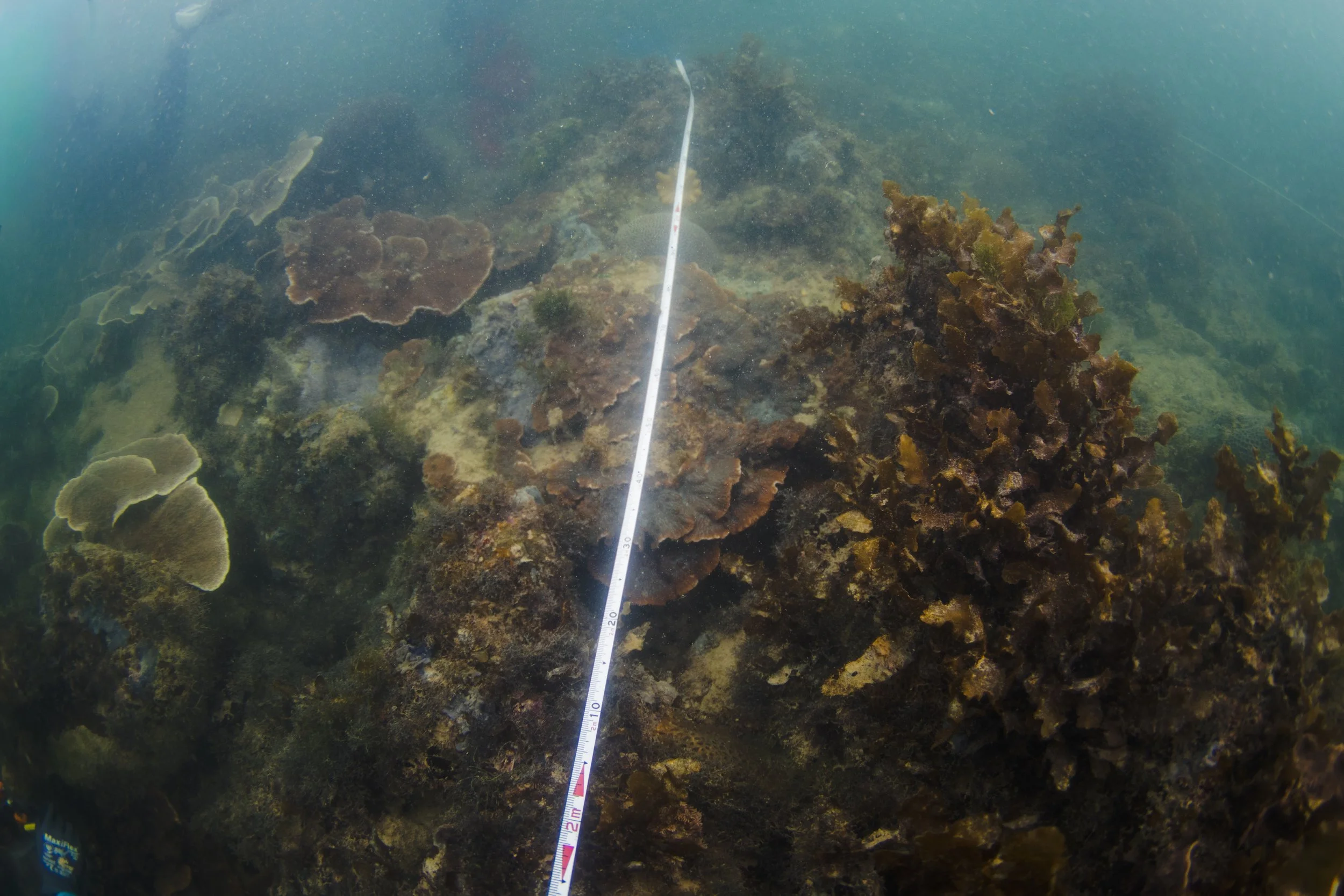
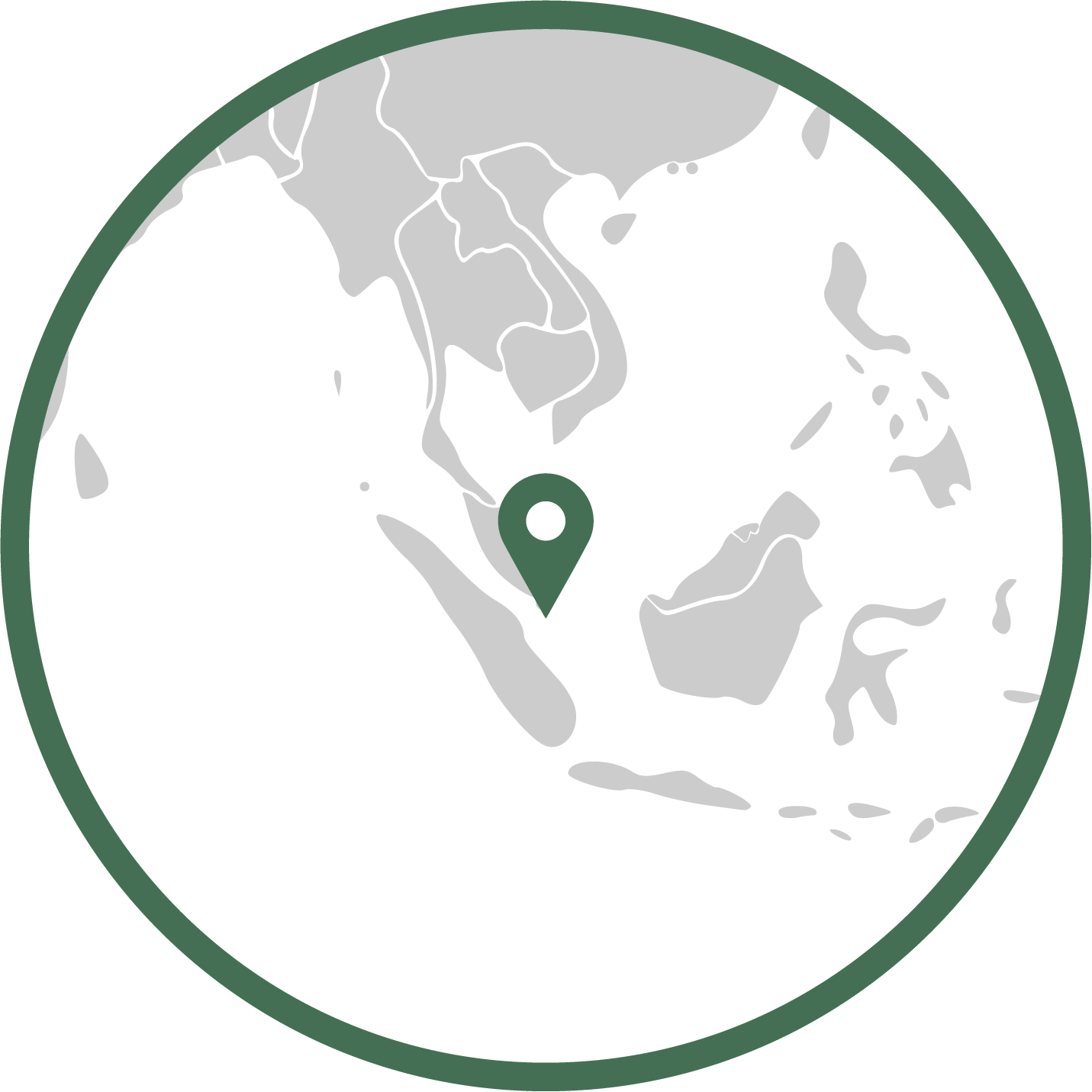
The Reef Ecology Lab at the National University of Singapore has been monitoring and researching six sea-weeding sites across Singapore since 2025.
Our StorySea-weeding research and biofuel development
We are part of a collaborative project between the National University of Singapore (NUS) and Dr Gregory Jedd of the Temasek Life Science Laboratory (TLL). The project seeks to develop new methods to employ novel microalgae to convert seaweed (Sargassum spp.) into oil for food and biofuel applications. Sargassum spp. hosts many benthic organisms and thus the environmental impact of sea-weeding is being assessed. We are currently monitoring and researching (since Dec 2025) sea-weeded plots from six sites across Singapore to determine the impacts of sea-weeding on reef biodiversity. This is a long-term project (4 years) that involves researchers and community volunteers and will lead to a better understanding of seaweed diversity in Singapore while simultaneously advancing carbon-neutral biofuels and food.
What we're doingStudying how sea-weeding affects reef biodiversity at six sites
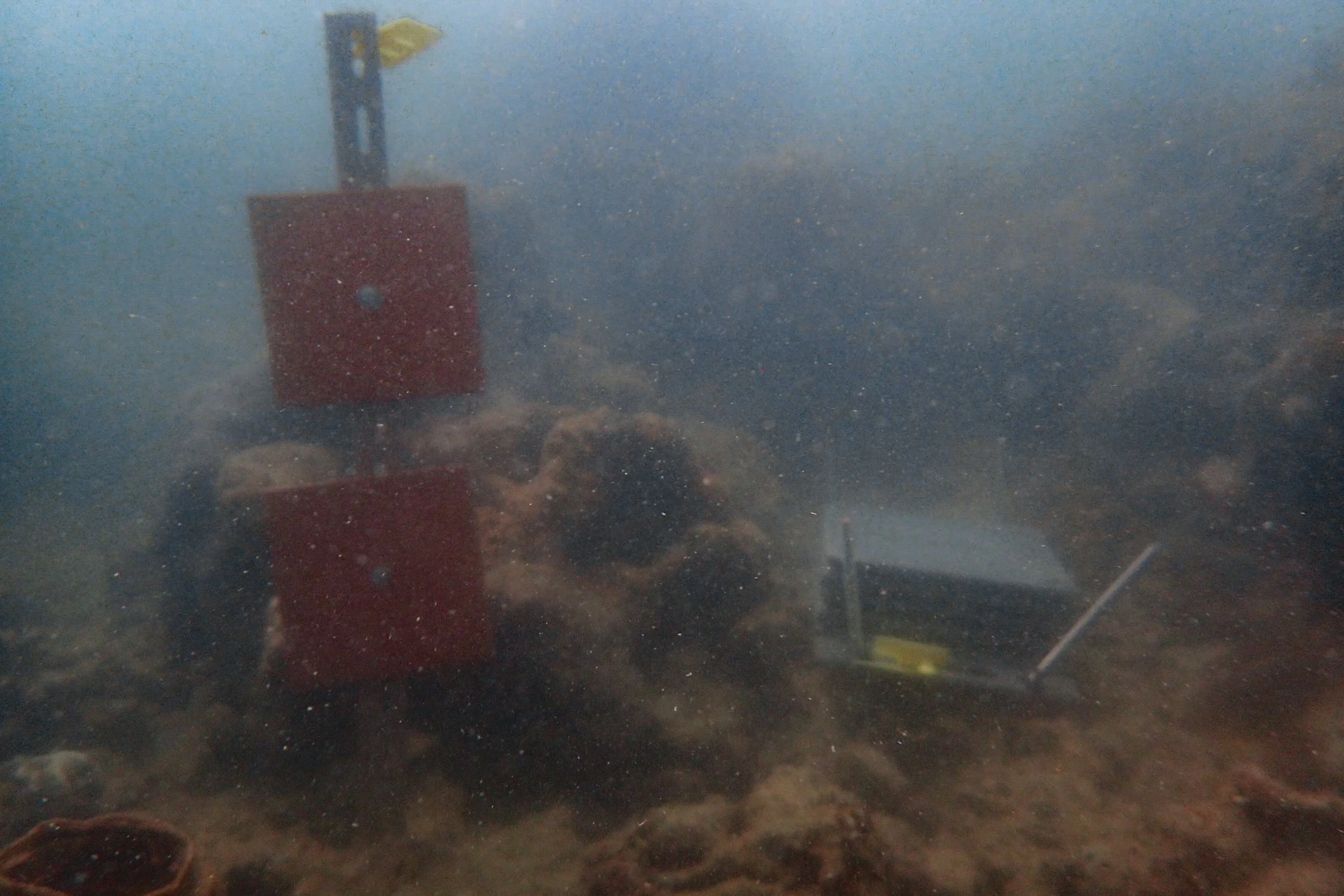
We are using multiple tools to understand 1) how the presence of Sargassum influences biodiversity and coral recruitment on urbanised coral reefs, and 2) the spatial-temporal dynamics of Sargassum assemblages in Singapore. To address our first aim we have established six sites in Singapore where we are sea-weeding and not sea-weeding (control plots) a total of six plots (5m by 5m) biannually for several years. In each of these plots we have deployed mini autonomous reef monitoring structures (miniARMS) and settlement tiles to assess crypto fauna and coral recruitment, respectively. We are also collecting Sargassum individuals from each of our sites and using molecular tools (barcoding and metabarcoding) to identify the Sargassum species and the epibionts living on each species. In addition, we are collecting data on nutrients, light, temperature, and other environmental parameters quarterly from all six sites. To address our second aim we are performing benthic point transect surveys and Sargassum thallus length measurements biannually, while also assessing the site environmental data and Sargassum species identifications, to try to understand the potential reasons for Sargassum abundance at our different sites.
This work involves a diverse team of researchers, government groups, citizen scientists, volunteers, curators, engineers, and students. The Sargassum biomass we collected from our sea-weeding was first used to assess its potential as a feedstock for growing microalgae.
What we've foundWe have had two sea-weeding events so far which involved over 40 community volunteer divers. We removed a total of 107.2 and 130.7 kg of algae from our six sites (36 plots) during these events. We have benthic point data from two time points and have found that coral cover and Sargassum abundance varies dramatically between sites, with some sites having ~60% Sargassum cover, and others having 0%. We have found that copepods are the main epibiont taxa found on Sargassum in Singapore, but other invertebrates such as molluscs, polychaetes, and echinoderms are also present. So far we have found sequences from three clades of Sargassum in Singapore (S. polycystum, S. illicifolium, and S. aquifolium). We have also recently recovered our settlement tiles and will know the coral recruitment results soon. All other data (e.g., environmental data and minARMS) will be collected and analysed in the future.
Stay tuned for more updates from our project!
Research outputs & press coverage
-
![View from the back of a pickup truck carrying large black bags filled with harvested cannabis on a rural forested road.]()
Design of Miniature Autonomous Reef Monitoring Structures (miniARMS)
-
![A logo showing an illustration of sargassum]()
Spot that Sargassum! iNaturalist Project