What is sea-weeding?
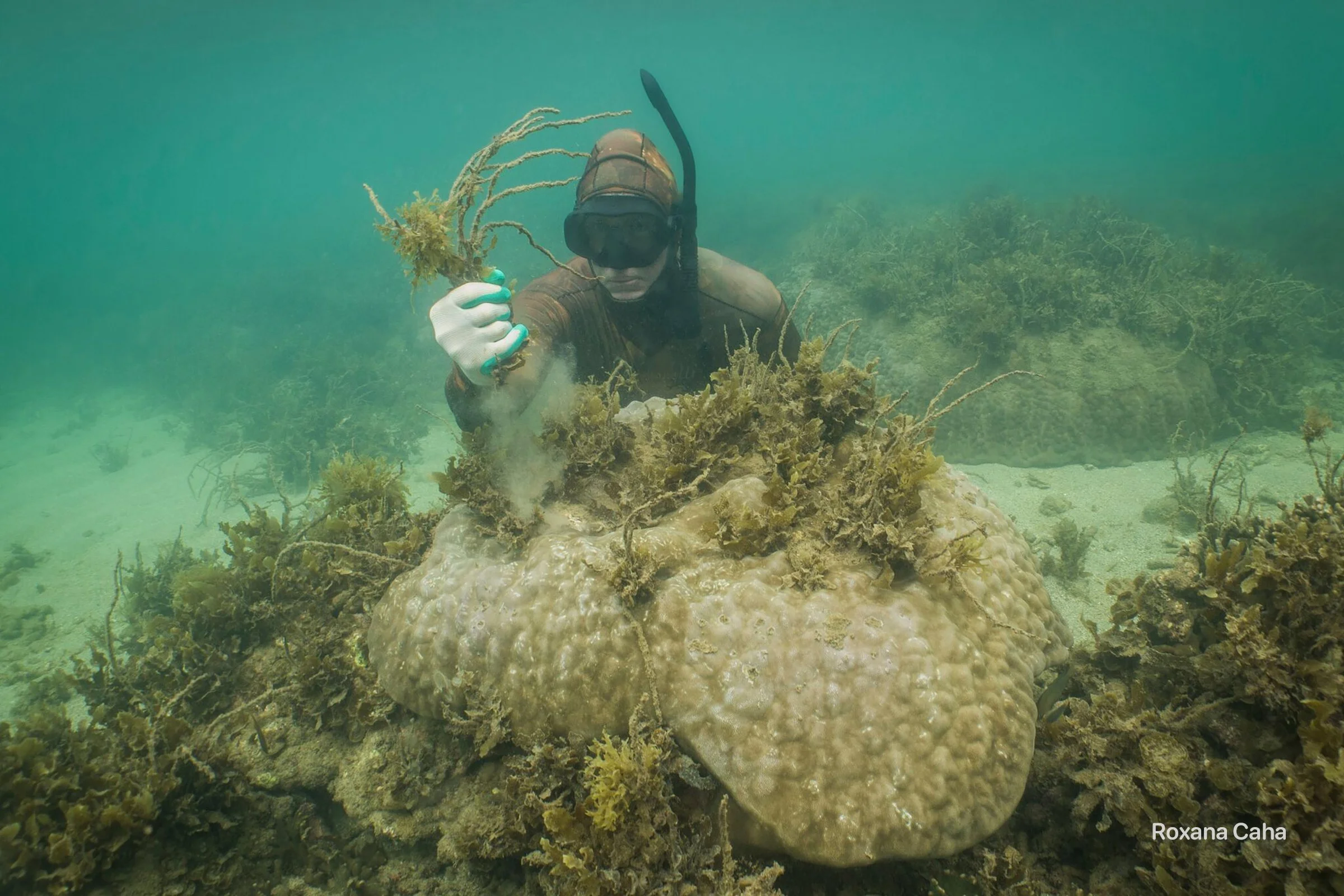
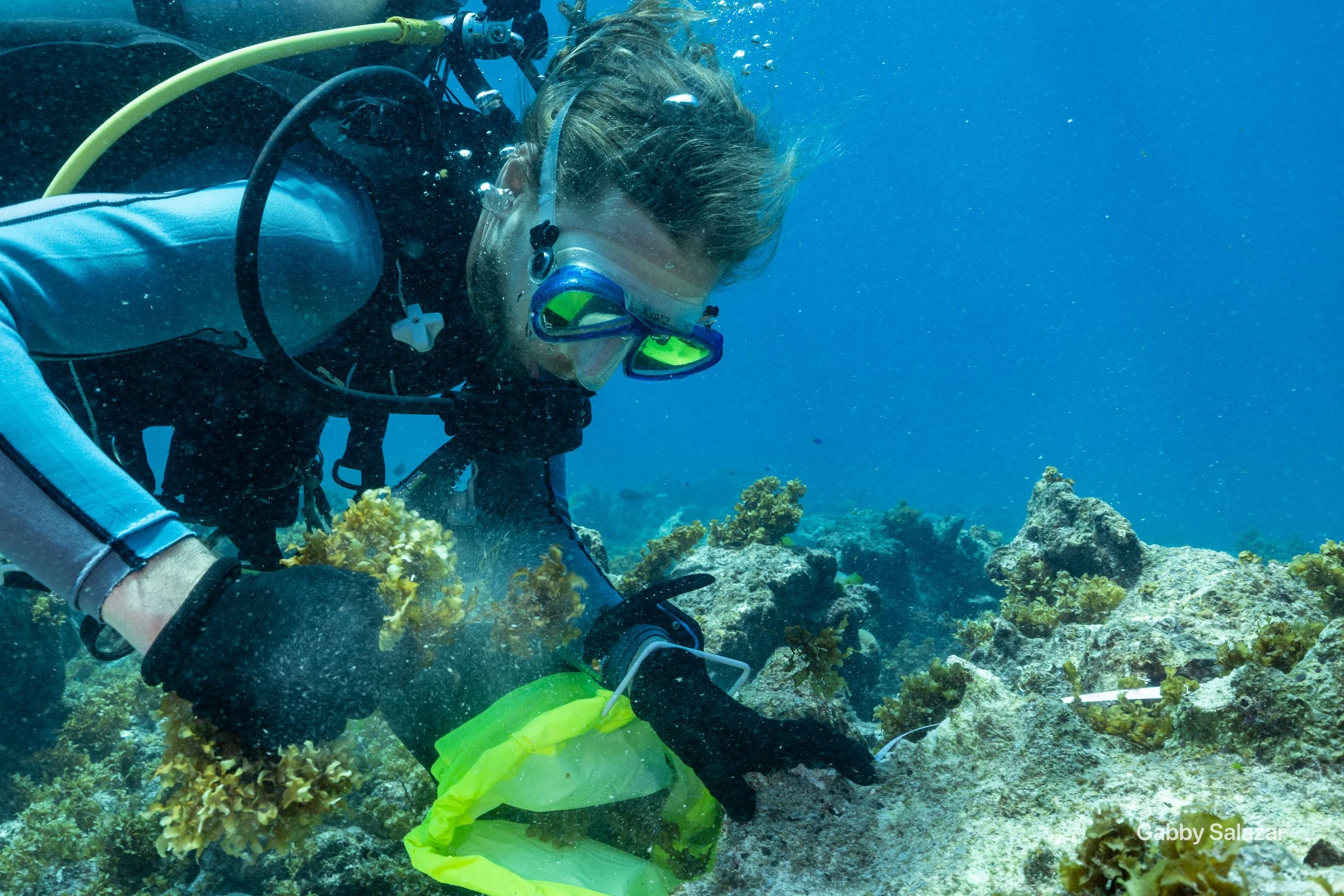
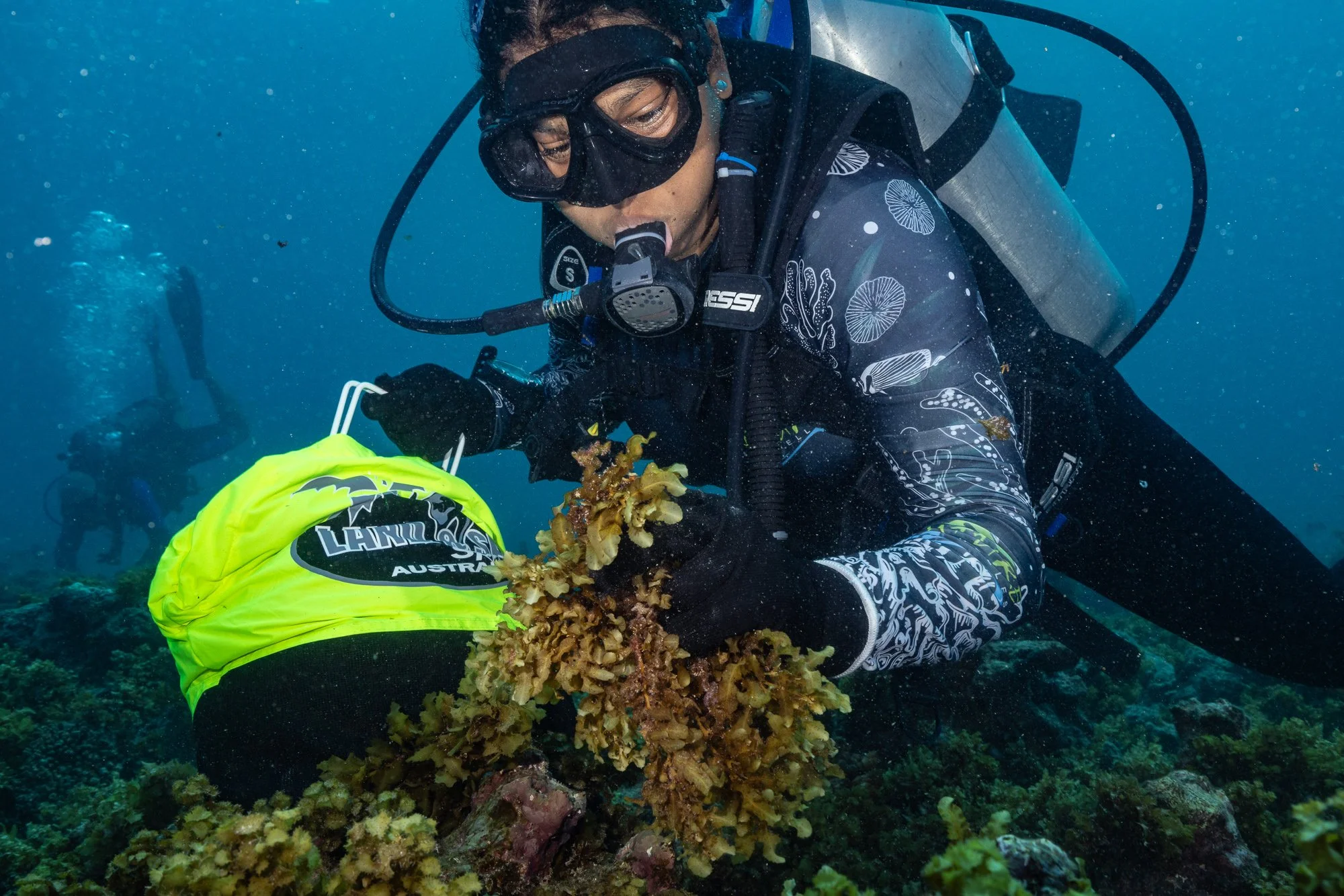
Sea-weeding is the manual removal of overgrown seaweed, or macroalgae, to enable the protection and restoration of coral reefs.
Think of it like weeding an underwater coral garden.
About Sea-weeding
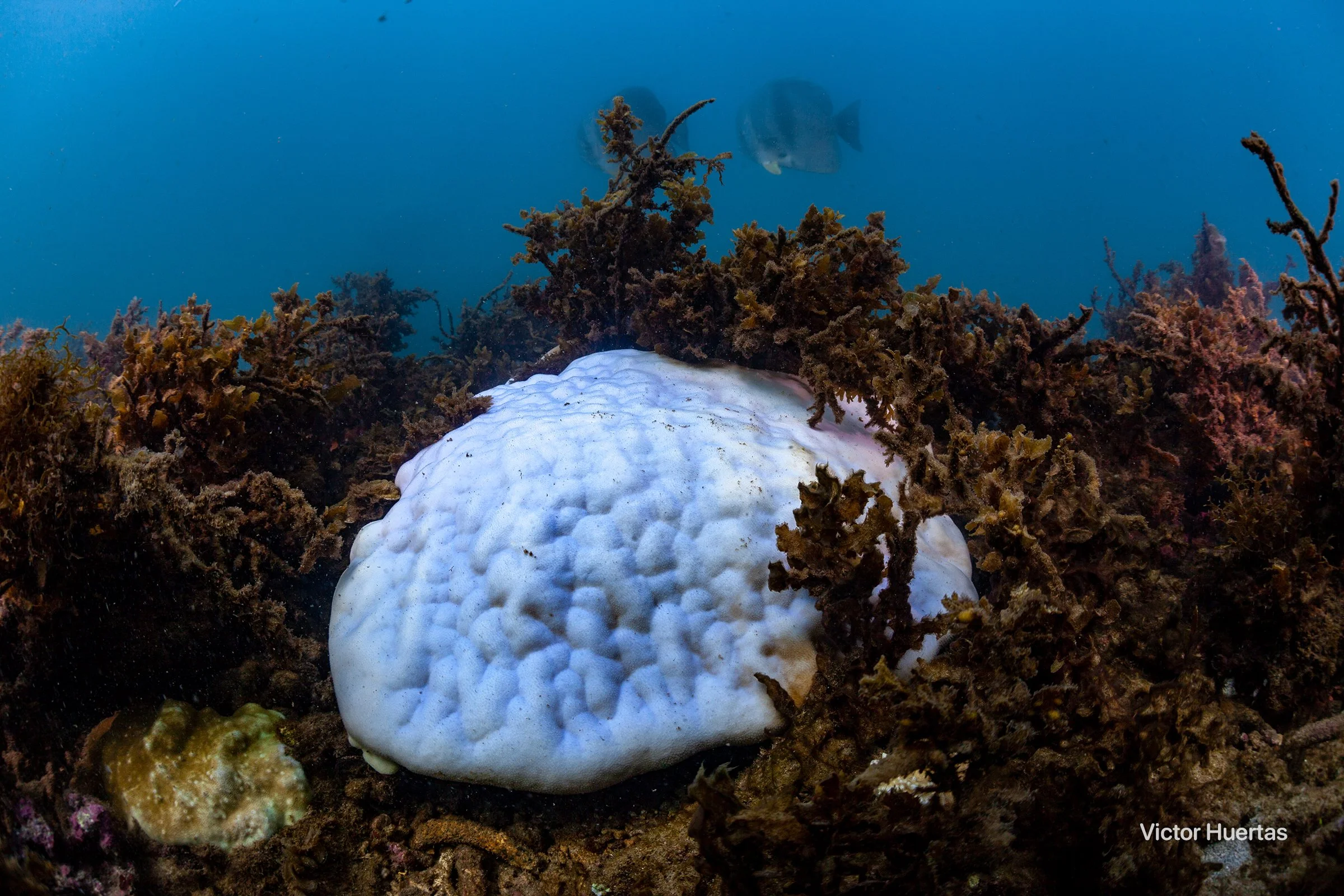
Coral reefs are struggling to keep pace with our rapidly changing climate and are facing a myriad of stressors. As oceans warm, many corals are being replaced by the overgrowth of macroalgae, or seaweed.
Sea-weeding, the targeted manual removal of seaweed from degraded reefs, is a method to give corals the space they need to recover naturally. On land, it is well understood that weeding competitive grasses is a critical first step for forest regeneration. We are applying the same concept on reefs and studying it to see how it works in different contexts.
What We Know
Our 8-year trials on Australia’s Great Barrier Reef found that sea-weeding significantly enhanced coral regrowth, with up to 1000% increases in coral cover in 5 years, along with increased coral diversity.
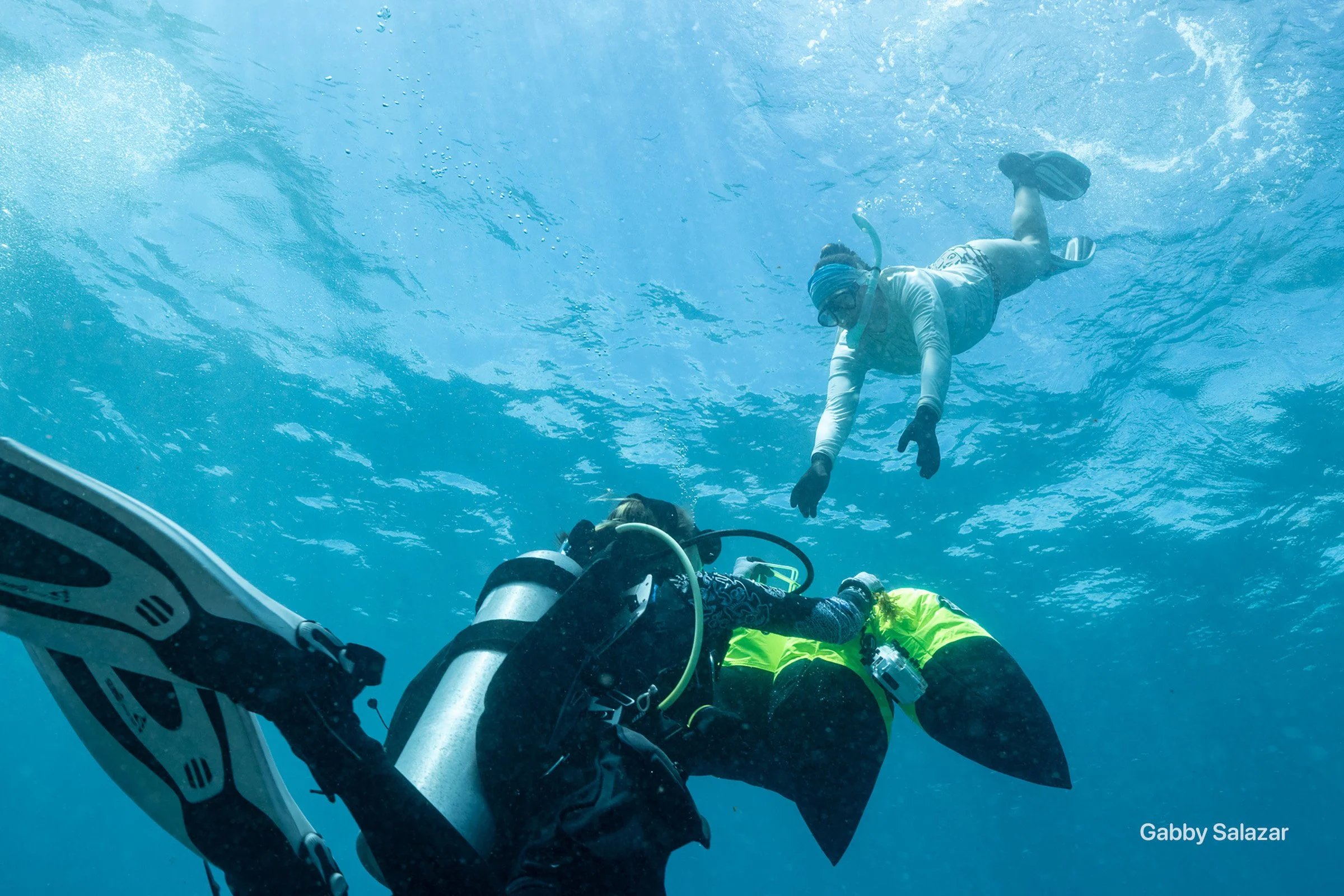
Importantly, these trials engaged citizen scientists with minimal training to weed the reef.
That means this method is scalable.
Big Goals
Now, we want to study the impact of sea-weeding in other contexts and share sea-weeding knowledge with a global community of scientists and practitioners.
We are trying to answer these questions:
1) Does sea-weeding lead to similar results in other contexts and with other species of macroalgae?
2) What resources are needed to help communities, scientists, and conservationists start their own sea-weeding research projects?