Reef Rescuers
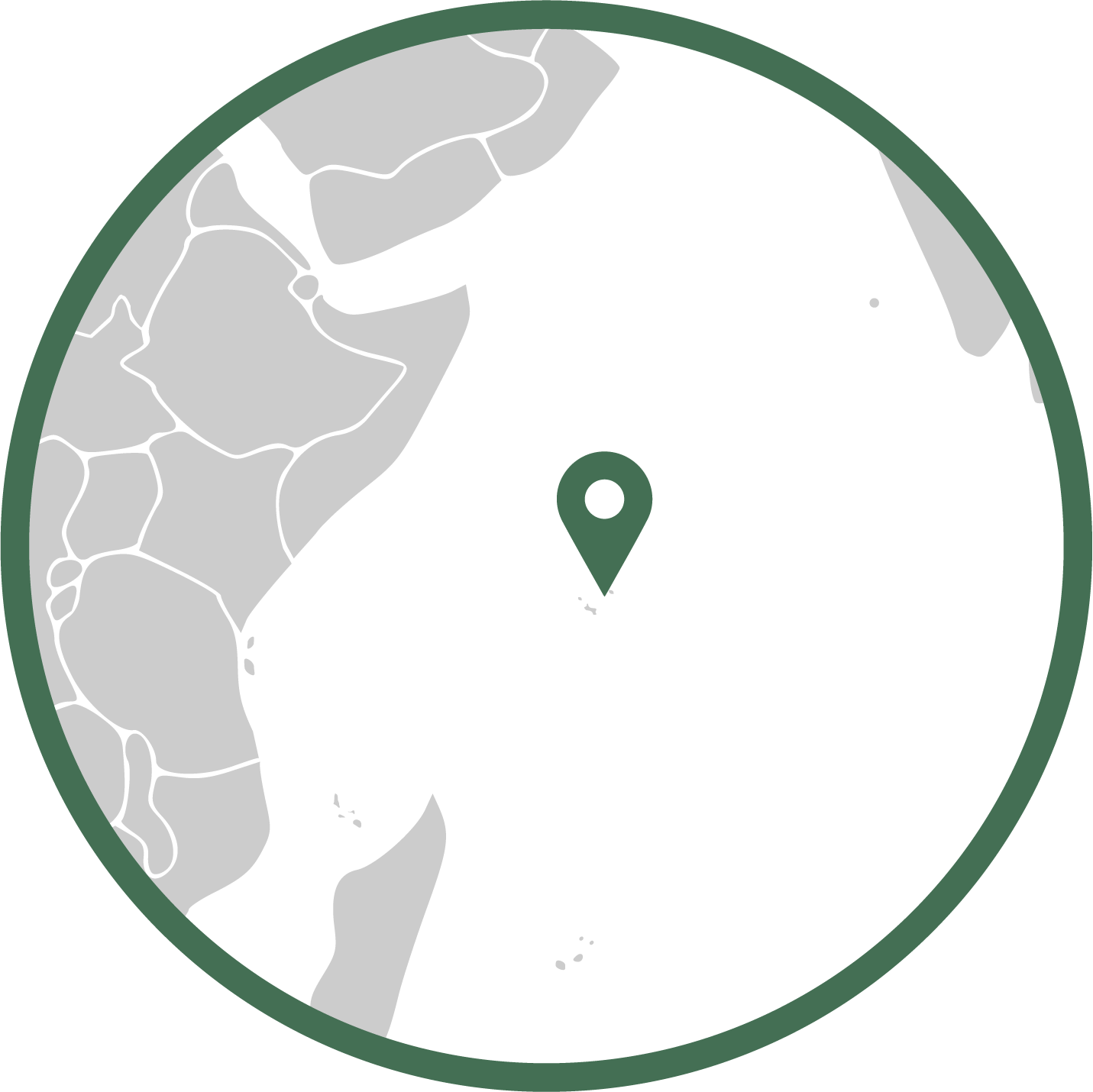
Cousin Island, Seychelles
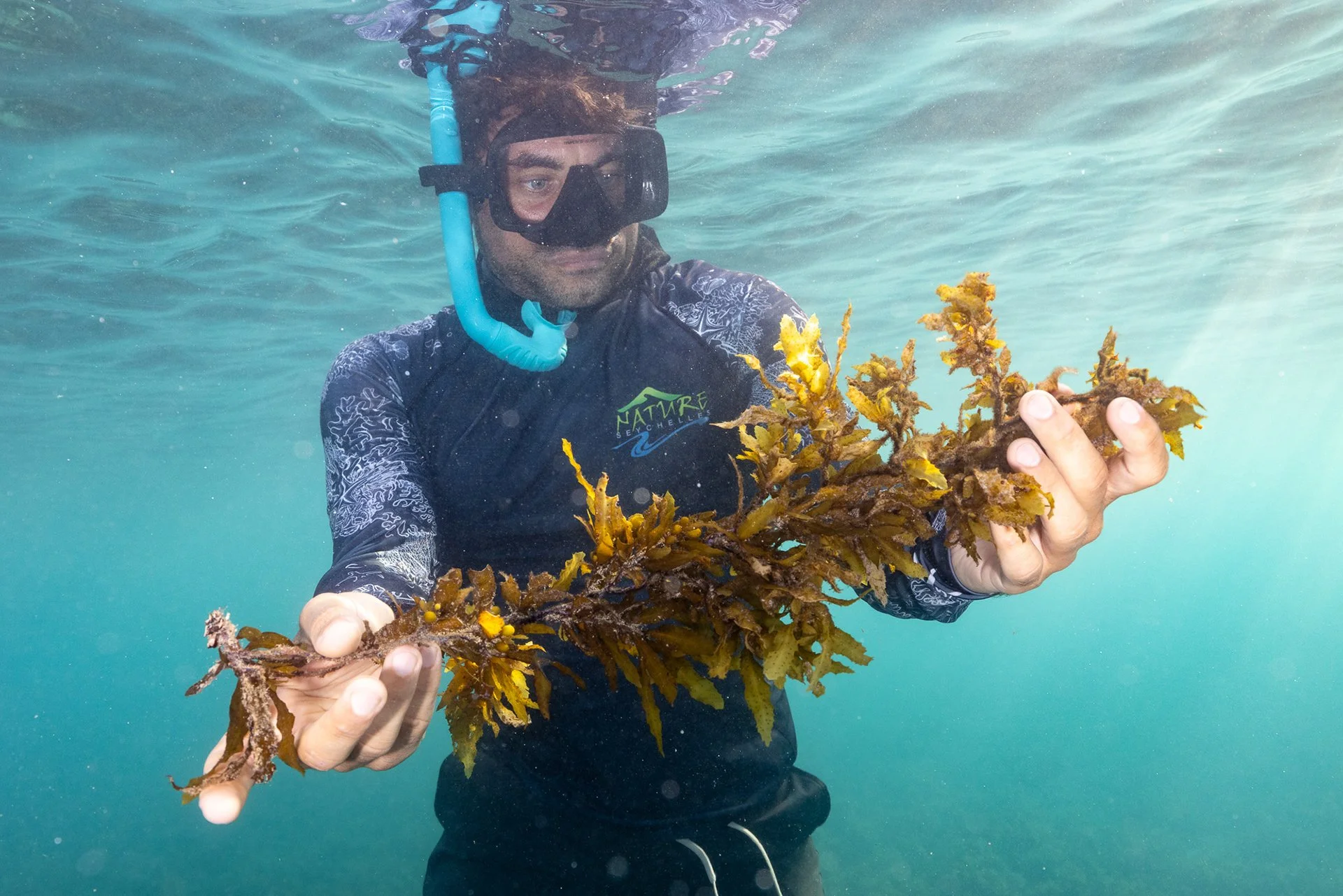
At Cousin Island, scientific research on sea-weeding commenced in 2026. The site is led by Nature Seychelles.
Our StoryCousin Island reef restoration sites have been taken over by algae
Around Cousin Island Special Reserve, a protected area on land and underwater close to the second largest Island of the Seychelles (Praslin), macroalgae such as Sargassum and Turbinaria have increasingly threatened reef health and increased coral mortality. Once seasonal, blooms intensified in 2024, with the macroalgae cover expanding rapidly and abundantly. Likely drivers include nutrient runoff and sea urchin die‑offs. To address this, the Reef Rescuers together with Sea-weeders International launched a weeding program in May 2026, conducting manual removals on experimental plots. This initiative marks the first structured attempt to mitigate macroalgal overgrowth and safeguard both natural and restored reef ecosystems.
What we're doingCombining ecological restoration, community engagement, and circular economy
In 2026, The Reef Rescuers initiated a weeding research project within the Cousin Island Special Reserve. Coral restoration through out-planting and sea urchin reintroduction is conducted in parallel. The project also involves local diving centers, volunteers, and a local seaweed product company to which the biomass removed is donated.
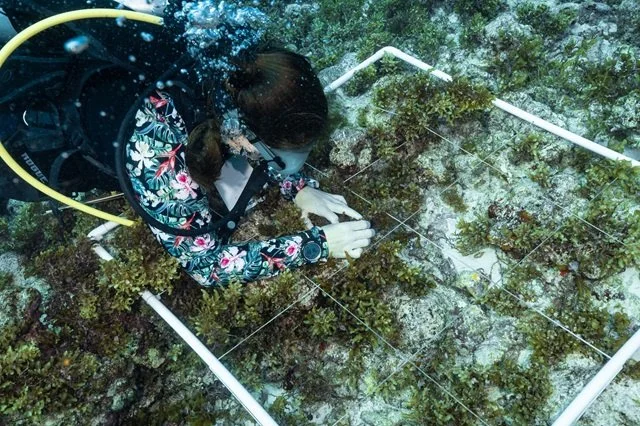
Nine 10×10 m plots were established with three treatments: control, weeding only, and weeding plus coral out-planting. Monitoring focuses on benthic composition, macroalgal abundance, and thallus length. The effort involves Reef Rescuers scientists, volunteers, dive tourism partners, and a local school (educational activity). This integrated approach combines ecological restoration, scientific study, and community engagement to address macroalgal overgrowth.
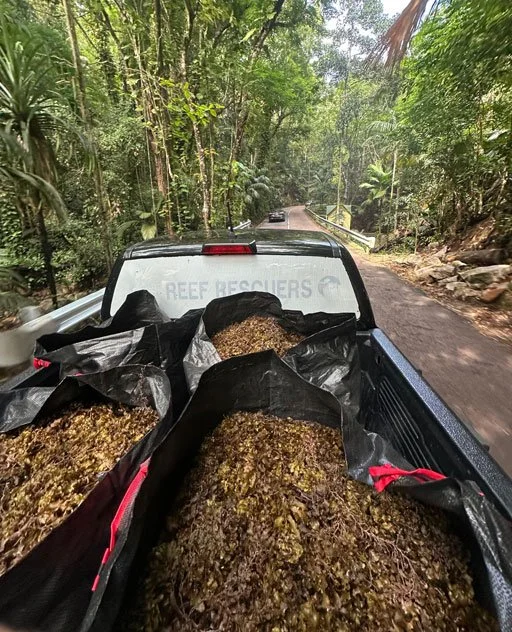
What we've foundIn our first weeding in April 2026, 570.5 kg of macroalgae was removed and donated to a local company producing organic fertilizer, Seaweed Seychelles.
Stay tuned for more updates from our project!
Research outputs & press coverage
-
![View from the back of a pickup truck with cannabis buds in black bags, driving through a forested rural area with a narrow paved road, surrounded by tall trees and lush greenery.]()
The Good, The Bad and the Algae
2026
-
![A scientist in a floral-patterned shirt, face mask, and gloves working underwater with a clipboard inside a protective enclosure, examining a grid system on the ocean floor among coral and rocks.]()
Seychelles News
2026